

Una Seguretat Social i de Salut universal per a tots els nord-americans, en lloc de guerres inútils i tant armament (2)
29 juny 2026 per Enric Figueras
Universal Social Security and Health for all Americans, instead of useless wars and so much armament
«Ara, les seves necessitats bàsiques estan cobertes. És propietari de casa seva. Té dos o tres mil dòlars al banc. I després la seva dona es posa malalta (i tots estarem a l’hospital, nou de cada deu, abans de morir finalment, i sobretot quan tinguem més de 65 anys). Ara està malalta, no només durant una setmana, sinó durant molt de temps. Primer vénen els dos mil cinc-cents dòlars, que ja no hi són. Després hipoteca la seva casa, tot i que pot tenir algunes dificultats per fer els pagaments de la Seguretat Social. Després té els seus fills, que també estan molt carregats perquè estan pagant les seves cases i les seves malalties, i volen educar els seus fills. Aleshores els seus estalvis comencen a desaparèixer.»
(President John F. Kennedy, Madison Square Garden, Nova York, 20 de maig de 1962)
«Now, his basic needs are met. He owns his own home. He has two or three thousand dollars in the bank. And then his wife gets sick (and we’re all going to be in the hospital, nine out of ten, before we finally die, and especially when we’re over 65). Now she’s sick, not just for a week, but for a long time. First comes the two thousand five hundred dollars, which is gone. Then he mortgages his house, although he may have some difficulty making his Social Security payments. Then he gets his children, who are also very burdened because they’re paying for their homes and their illnesses, and they want to educate their children. Then his savings start to disappear.»
(President John F. Kennedy, Madison Square Garden, New York City, May 20, 1962)
«Així, doncs, què farà ara?
«Aquest no és un cas estrany. Fa una setmana vaig parlar amb un membre del Congrés del meu propi estat, el qual em va explicar que enviaria la seva filla a l’escola, però com que el seu pare havia estat malalt durant dos anys, no ho va poder fer. I els congressistes cobren 22.500 dòlars anuals, i això és més del que cobra la majoria de la gent».
«Així, doncs, què farà ara? Els seus estalvis s’han acabat (els estalvis dels seus fills, que contribueixen en tot i que tenen responsabilitats pròpies) i finalment acudeix i signa una petició dient que està arruïnat i que necessita ajuda».
«This isn’t an unusual case. A week ago, I spoke with a member of Congress from my own state, who explained that he was going to send his daughter to school, but because her father had been ill for two years, he couldn’t. And members of Congress earn $22,500 a year, which is more than most people earn.»
«So what will he do now? His savings have run out (his children’s savings, who contribute to everything and have their own responsibilities) and finally he goes and signs a petition saying that he is ruined and needs help.»
(President John F.Kennedy, Madison Square Garden, Nova York, 20 de maig de 1962)
«Ara que diem? Diem que durant els seus anys de treball contribuirà a la seguretat social, com ha fet en el cas de la seva jubilació, dotze o tretze dòlars al mes. Quan ell es posi malalt, o ella es posi malata durant un llarg període de temps, primer paga noranta dòlars, perquè la gent no abusi. Però després diguem-ne que té una factura de mil cinc-cents dólars. Aquesta factura de la qual estem parlant (la factura del Sr. Anderson i la del Sr. King), no ho resol tot. Però diguem que són mil cinc-cents dòlars, dels quals mil dòlars són factures d’hospital. Aquesta factura pagarà aquests mil dòlars en factures d’hospital. I després crec que ell, i l’esforç que fa ell i la seva família, poden complir les seves altres responsabilitats».
«Ara bé, això no sembla una legislació tan extraordinària, 25 anys després que Franklin Roosevelt aprovés la Llei de la Seguretat Social».
«What do we say now? We say that during his working years he will contribute to social security, as he has done in the case of his retirement, twelve or thirteen dollars a month. When he gets sick, or she gets sick for a long period of time, he first pays ninety dollars, so that people don’t take advantage. But then let’s say he has a bill for fifteen hundred dollars. This bill, which we are talking about (Mr. Anderson’s bill and Mr. King’s bill), doesn’t solve everything. But let’s say it’s fifteen hundred dollars, of which one thousand dollars are hospital bills. This bill will pay these one thousand dollars in hospital bills. And after that, I believe that he, and the effort he and his family make, can meet his other responsibilities.»
«However, this doesn’t seem like such extraordinary legislation, 25 years after Franklin Roosevelt passed the Social Security Act.»
(President John F.Kennedy, Madison Square Garden, New York, May 20, 1962)
———————————————————————
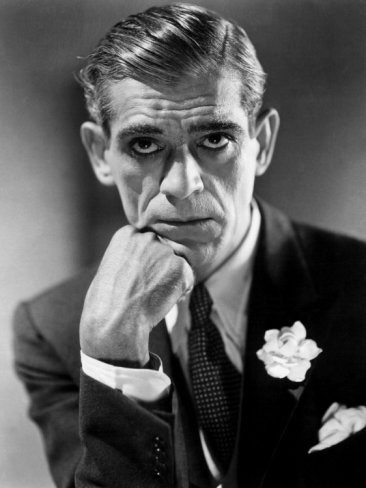
LA FRASE
«Quan tenia nou anys, vaig interpretar el rei dimoni a ‘Ventafocs’ i em vaig adonar que ser dolent és molt més divertit que ser bo.»
«Cuando tenía nueve años, interpreté al rey demonio en ‘Cenicienta’ y me di cuenta de que ser malo es mucho más divertido que ser bueno.»
«When I was nine years old, I played the demon king in ‘Cinderella’ and I realized that being bad is much more fun than being good.»
Boris Karloff

Heroes and Aliens – WordPress.com
——————————————————————–